
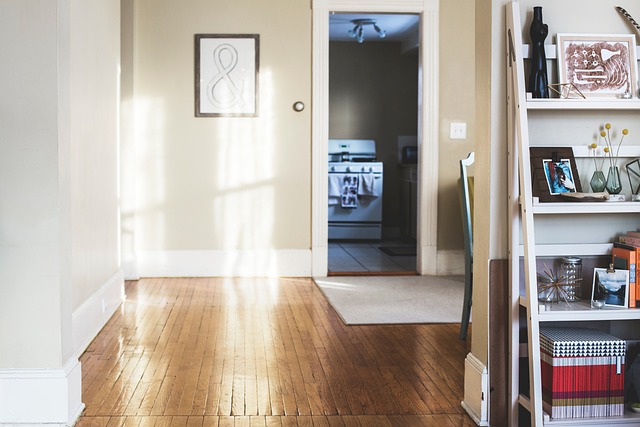
Restoring Your Floor
It usually happens in slow motion. You drop a heavy pot, drag a piece of furniture without realizing the felt pad fell off, or a pet gets a little too excited. The result is that heart-sinking moment when you see it: a deep, ugly gouge cutting across the grain of your beautiful floor.
If you are staring at that scratch right now, take a deep breath. It is fixable.
While deep scratches can look disastrous, you generally do not need to rip up the entire floor or call in an expensive contractor immediately. Whether you have modern laminate or classic parquet, there are specific, proven techniques to mask damage and seal the surface against moisture.
In this guide, we will walk through the exact steps to repair deep scratches, helping you distinguish between floor types and choose the right method to make that damage virtually invisible.
First: Identify Your Material (Crucial Step)
Before you touch a sanding block or a wax stick, you must be 100% certain of what is under your feet. Treating laminate like real wood will ruin it, and treating parquet like plastic won’t give you a lasting finish.
Laminate Flooring
Laminate is synthetic. It consists of a high-density fiberboard core topped with a photographic image layer of wood, sealed with a clear protective wear layer.
- The Rule: Never sand laminate. If you sand it, you will sand right through the photo of the wood, leaving a dull, grey spot that cannot be fixed.
Parquet / Hardwood
Parquet is made of real wood blocks arranged in a geometric pattern. It can be solid wood all the way through or “engineered” (a layer of real hardwood on top of plywood).
- The Rule: Real wood can be sanded and refinished, but you must be careful with engineered parquet not to sand through the top veneer.
Method 1: Repairing Deep Scratches in Laminate
Because you cannot sand laminate to level it out, the strategy here is filling and blending. You need to fill the void to prevent water from swelling the board, and you need to match the color so the eye glides over the repair.
Tools You Will Need
- A Laminate Repair Kit: These usually contain hard wax blocks in various wood tones and a battery-operated heating tool.
- A plastic scraper (often included in the kit).
- A micro-fiber cloth.
- Rubbing alcohol or a gentle degreaser.
Step-by-Step Repair Process
1. Clean the Wound
Use a vacuum to remove any dust from inside the scratch. If there are loose flaps of the laminate coating sticking up, carefully trim them away with a sharp utility knife so the edges are clean. Wipe the area with rubbing alcohol to remove oils or floor cleaner residue.
2. Color Matching (The Art Phase)
This is where most people fail. Wood isn’t one flat color; it has grain, knots, and variations.
- Select your wax: Pick a wax block that matches the lightest tone in your floor, a medium tone, and a dark tone.
- Melt and mix: Use the heating tool to melt a small amount of the lighter wax into the scratch first. Then, melt in darker shades to mimic the grain.
3. Fill and Level
Overfill the scratch slightly. The wax will shrink microscopically as it cools. Once the wax creates a small mound over the scratch, let it cool for about 30 seconds to a minute.
4. Scrape Flush
Take your plastic scraper. Using firm pressure, scrape across the scratch (not along it) to remove the excess wax. This should leave a perfectly flush surface. If the surface looks too flat, you can use the tip of the scraper to gently etch “grain lines” into the wax before it fully hardens.
Pro Tip: If the repair looks too shiny compared to the rest of the floor, gently buff it with a grey abrasive pad (often found in kits) to dull the sheen. If it’s too dull, a tiny dab of clear varnish pen can add shine.
Method 2: Repairing Deep Scratches in Parquet (Real Wood)
Real wood requires a different approach. Because the material is porous and natural, it reacts to humidity and temperature. The repair needs to move with the wood.
Tools You Will Need
- Wood Putty / Filler: Choose a stainable filler if you plan to refinish, or a pre-colored filler that matches your floor.
- Fine-grit sandpaper (180 and 240 grit).
- Painter’s tape.
- Matching wood stain and finish (oil, lacquer, or varnish depending on your floor).
Step-by-Step Repair Process
1. Prep the Area
Clean the scratch thoroughly. If the scratch is jagged, use the 180-grit sandpaper to gently smooth the edges inside the scratch. Do not sand the surrounding healthy floor yet.
2. Protect the Surroundings
Tape off the area around the scratch with painter’s tape. This prevents you from accidentally spreading filler into the grain of the undamaged wood nearby.
3. Apply the Filler
Press the wood putty firmly into the deep scratch. You want to ensure there are no air pockets. Like the wax, leave it slightly overfilled (mounded) because wood filler shrinks as it dries.
- Wait time: Check the manufacturer’s instructions. Deep fills may need 2 to 24 hours to cure completely.
4. Sanding
Once dry, remove the tape. Gently sand the filler until it is perfectly flush with the floor. Use the 240-grit paper for the final passes to ensure a smooth finish.
5. Restaining and Sealing
This is critical for E-E-A-T (safety and longevity). A filler that isn’t sealed will absorb water and eventually pop out.
- If your floor is oiled: Apply a repair oil to the spot.
- If your floor is lacquered: Use a lacquer pen or a small brush with polyurethane. Apply thin coats, letting them dry in between, until the sheen matches the rest of the floor.
When is a Scratch “Too Deep”?
Sometimes, a repair kit isn’t enough. You need to assess if the damage has compromised the structural integrity of the plank.
Signs you might need a board replacement:
- Water Damage: If the edges of the scratch are swollen or bubbling, water has already penetrated the core.
- Width: If the gouge is wider than an inch, fillers often look obvious and may crack under foot traffic.
- Core Exposure (Laminate): If you see the crumbly brown fiberboard underneath the design layer and the area is in a high-traffic zone, wax might eventually work its way out.
In these cases, replacing the single board is the safer option. For “click-lock” floating floors, this involves unclicking the floor from the wall to the damaged board. For glued parquet, it requires a professional to cut out the damaged block and glue in a new one.
Prevention: The Best Form of Repair
Once you have fixed your floor, you want to ensure you never have to do it again. The most “helpful” advice I can give you is to adopt these three habits:
- The “Shoes Off” Policy: Small rocks stuck in sneaker treads are the #1 cause of scratches.
- Felt Pads Everywhere: Check the feet of your chairs and sofas every 6 months. Felt pads compress and fall off over time.
- The Mat Trap: Place a high-quality entrance mat at your door. It traps grit before it ever touches your living room.
Final Thoughts
Repairing a deep scratch in your flooring is less about being a master carpenter and more about patience. Do not rush the color mixing. Do not rush the drying time.
By taking 30 minutes to carefully fill and blend the damage, you can save thousands of dollars in refinishing costs and extend the life of your floor for years.
Has this guide helped you assess your floor damage? If you have questions about a specific type of wood or laminate brand, leave a comment below and I’ll do my best to point you in the right direction.
Want to relax while doing housework? Try this app on the Apple App Store. It’s free!
https://apps.apple.com/us/app/sonidos-relajantes-para-dormir/id6756495755