
Tool Restoration 101: How to Remove Rust and Sharpen Blades Like a Pro
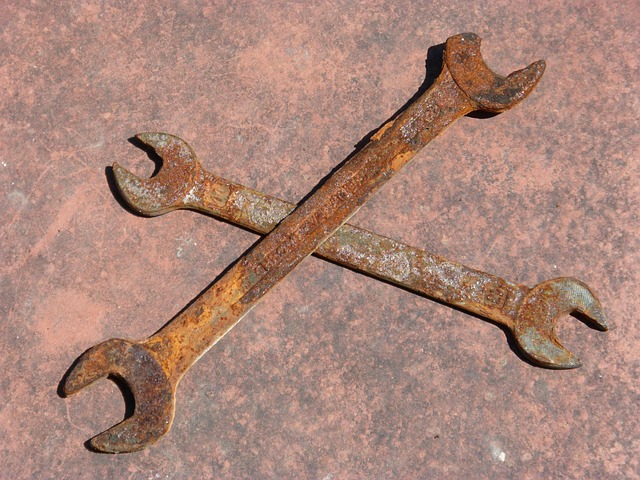
There is a specific kind of sadness in opening a toolbox or walking into a garden shed and seeing orange. Rust. It creeps up on your favorite wrench, your grandfather’s hand plane, or those expensive hedge shears you forgot to wipe down last autumn.
Many people assume a rusty, dull tool is garbage. They toss it and buy a cheap plastic replacement.
As a craftsman, I am here to tell you that old steel is often better than new steel. Vintage tools were often made with higher carbon content and better tempering. That layer of rust is usually just surface-level skin damage. Underneath, there is good metal waiting to be rescued.
Furthermore, a dull tool is a dangerous tool. A dull blade requires more force to cut, which leads to slipping, which leads to injury.
In this guide, we aren’t just cleaning; we are restoring. We will cover how to chemically strip rust using safe household items, how to re-establish a cutting edge, and how to protect that metal for the next decade.
Phase 1: Safety and Assessment
Before we play with chemistry or friction, we need to respect the risks. Rust dust is hazardous to inhale, and metal filings are sharp.
The Mandatory Gear:
- Safety Glasses: A wire brush spinning on a drill can throw steel bristles at high speed.
- Nitrile Gloves: Protect your skin from drying agents and oils.
- Dust Mask / Respirator: Essential when sanding rust.
- Tetanus Shot: If you are working with old, dirty metal, ensure your boosters are up to date.
The Assessment: Look closely at the rust.
- Surface Rust: Light orange/red powder. Wipes off on your finger. Easily Fixable.
- Scale Rust: The surface is bubbling or flaking. Fixable with elbow grease.
- Deep Pitting: The metal looks like the surface of the moon with deep craters. If this is on a structural part or a blade edge, the tool may be unsafe to use.
Phase 2: The Rust Removal (The Chemistry)
You do not need expensive, toxic industrial acids to remove rust. The best solution is likely in your kitchen pantry right now.
Method A: The Vinegar Soak (Best for Small Tools)
White vinegar contains acetic acid, which reacts with iron oxide (rust) and makes it water-soluble.
- The Bath: Find a plastic container (never metal) that fits your tools. Submerge them completely in standard white vinegar.
- The Wait: Let them soak.
- Light rust: 12–24 hours.
- Heavy rust: up to 48 hours.
- The Scrub: Pull the tool out. The rust should look like black slime. Use a stiff nylon brush or a brass wire brush to scrub it off under warm running water. It should peel away easily.
- The Neutralizer (Crucial Step): This is where most people fail. Vinegar is an acid. If you just dry the tool, the acid stays in the pores and causes “flash rust” immediately.
- Mix water with massive amounts of Baking Soda.
- Dip the tool in this solution to neutralize the acid.
- Dry immediately and thoroughly with a hairdryer or heat gun.
Method B: Mechanical Removal (Best for Large/Garden Tools)
You can’t soak a shovel in a bucket easily. For this, we use friction.
- Wire Wheel: Attach a wire cup brush to your angle grinder or power drill. Secure the tool in a vise. Run the wheel over the metal. It will strip rust instantly and polish the steel beneath.
- Sandpaper/Steel Wool: For delicate woodworking chisels, use 0000 steel wool and WD-40. It acts as a lubricant and removes rust without scratching the healthy metal.
Phase 3: The Art of Sharpening (The Geometry)
Once the tool is clean, it needs to cut. Sharpening is not magic; it is simply the act of grinding two planes of metal until they meet at a zero-point edge.
The most common mistake? Changing the angle.
Tool 1: Garden Tools (Shovels, Hoes, Axes)
These tools do not need a razor edge (which is brittle and chips on rocks). They need a durable “working edge.”
The Mill File Method:
- Secure the Tool: Clamp the shovel or axe in a bench vise.
- Find the Bevel: Look at the existing factory angle. It is usually around 45 degrees for shovels.
- Push, Don’t Pull: Take a 10-inch bastard mill file. Place it against the bevel. Push forward with steady pressure. Lift the file on the return stroke. Files only cut on the push stroke. Dragging them back ruins the teeth.
- Check for the Burr: After 5-10 strokes, run your finger carefully over the back side of the blade. Do you feel a tiny hook of metal catching your skin? That is the “burr.” It means you have ground the metal all the way to the edge.
- Remove the Burr: Flip the tool over and do one light, flat pass with the file to knock that wire edge off.
Tool 2: Precision Tools (Chisels, Plane Irons)
These require a flat, razor-sharp edge, usually honed to 25 or 30 degrees.
The “Scary Sharp” Sandpaper Method (Budget Friendly): You don’t need expensive water stones. You can use a piece of float glass (or a granite tile) and wet/dry sandpaper.
- Flatten the Back: The back of a chisel must be perfectly flat. Stick 220 grit paper to your glass. Rub the back of the chisel until the scratch pattern is uniform. Move to 400, 800, then 1200 grit. It should look like a mirror.
- Hone the Bevel: Use a cheap honing guide ($15 online) to hold the chisel at exactly 25 degrees.
- Work the Grits: Rub the bevel on the sandpaper/glass setup. 220 -> 400 -> 800 -> 1200 -> 2000.
- The Test: It should pare end-grain soft pine cleanly without tearing the fibers.
Phase 4: Prevention (The “Bucket” Trick)
You have spent hours cleaning and sharpening. Do not let humidity undo your work.
1. The Oil Barrier Raw steel rusts. It needs a barrier against oxygen.
- Camellia Oil or Jojoba Oil: Best for woodworking tools. It doesn’t interfere with wood finishes.
- 3-in-1 Oil / Mineral Oil: Great for general mechanics tools.
- AdSense Warning: Avoid using cooking oils (olive, vegetable). They will go rancid, become sticky, and actually attract pests and moisture over time.
2. The Garden Bucket Trick For shovels and trowels, mix a bucket of construction sand with a quart of used motor oil (or mineral oil).
- Routine: Every time you finish gardening, plunge the tool into the oily sand a few times. The sand acts as an abrasive to clean off the dirt, and the oil coats the blade for storage.
3. Silica Gel Throw those little “Do Not Eat” packets from shoe boxes into your toolbox. They absorb ambient moisture and keep the drawer dry.
Restoring a tool is a connection to the past. When you take a rusted, seized-up pair of pliers and bring them back to a smooth, shiny working condition, you have created value where there was none.
Remember the golden rule of maintenance: Clean, Sharp, Oiled.
If you follow this cycle, your tools will not only last for your lifetime, but they will be ready to be handed down to the next generation of makers.
Have you successfully restored a tool using the vinegar method? I’d love to see the results. If you are struggling with a specific type of blade, let me know in the comments and I can suggest the correct angle.
Want to relax while doing housework? Try this app on the Apple App Store. It’s free!
https://apps.apple.com/us/app/sonidos-relajantes-para-dormir/id6756495755